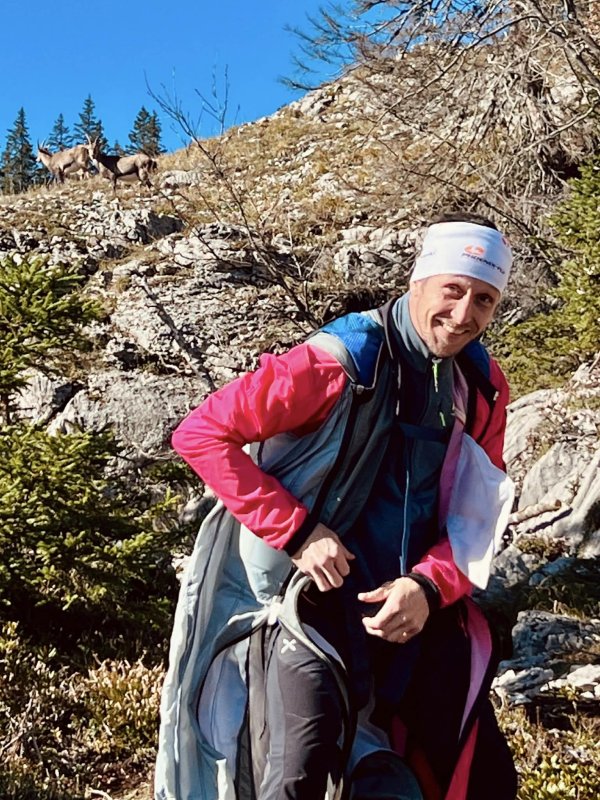
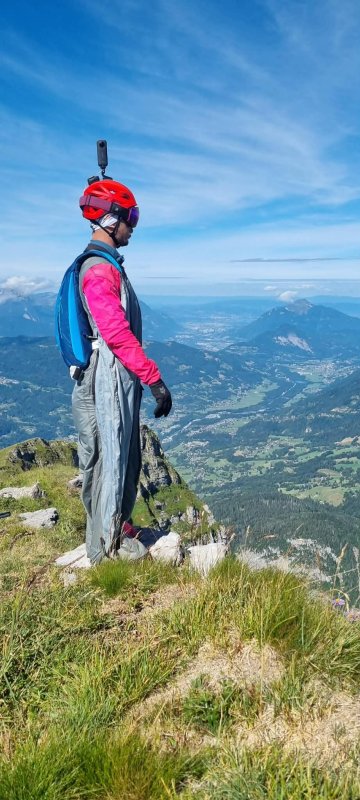
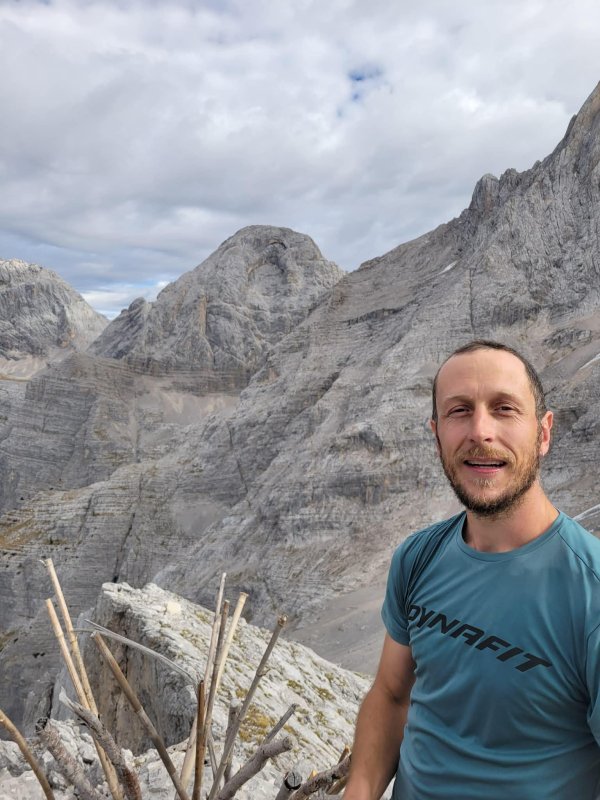
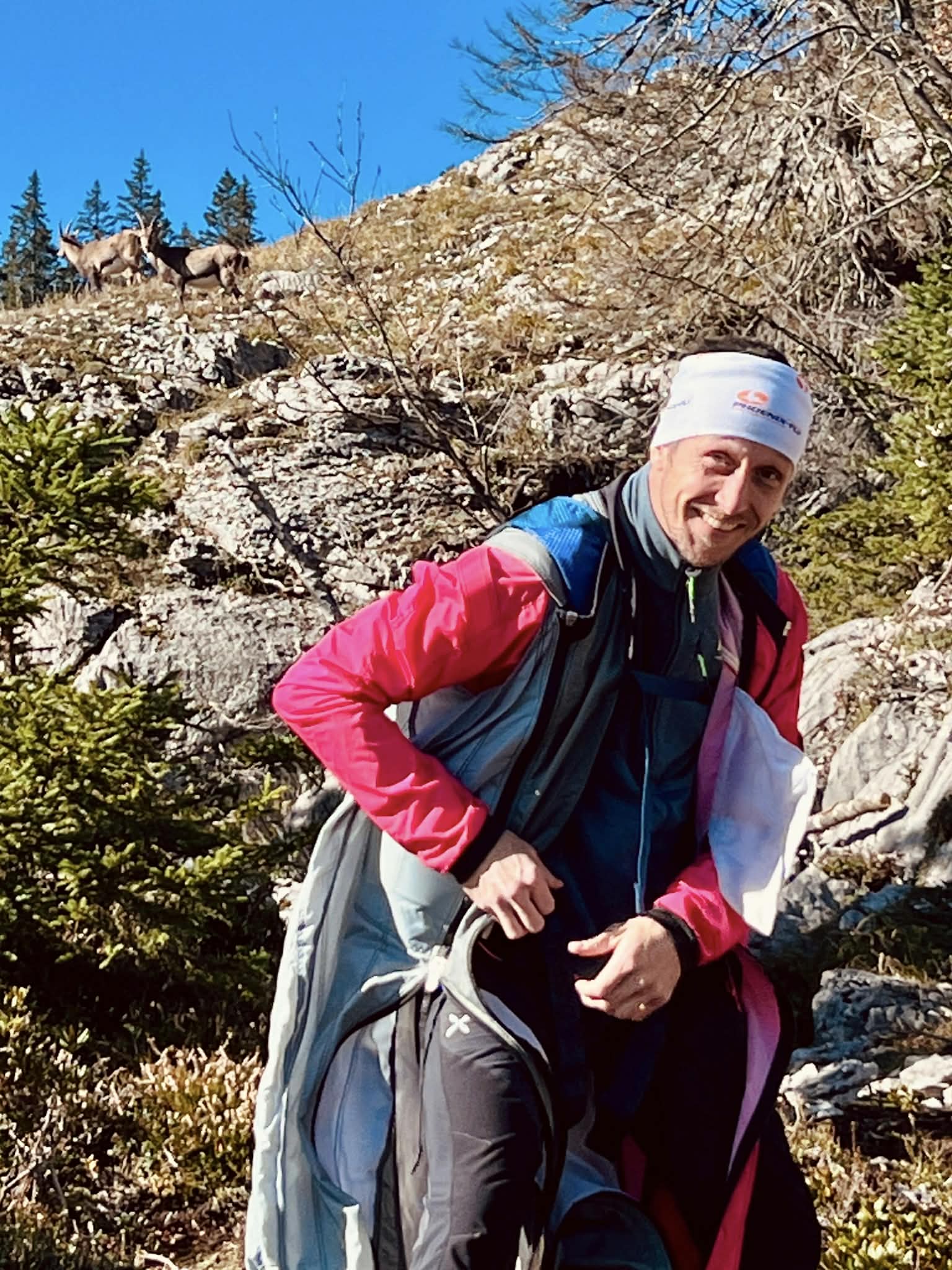
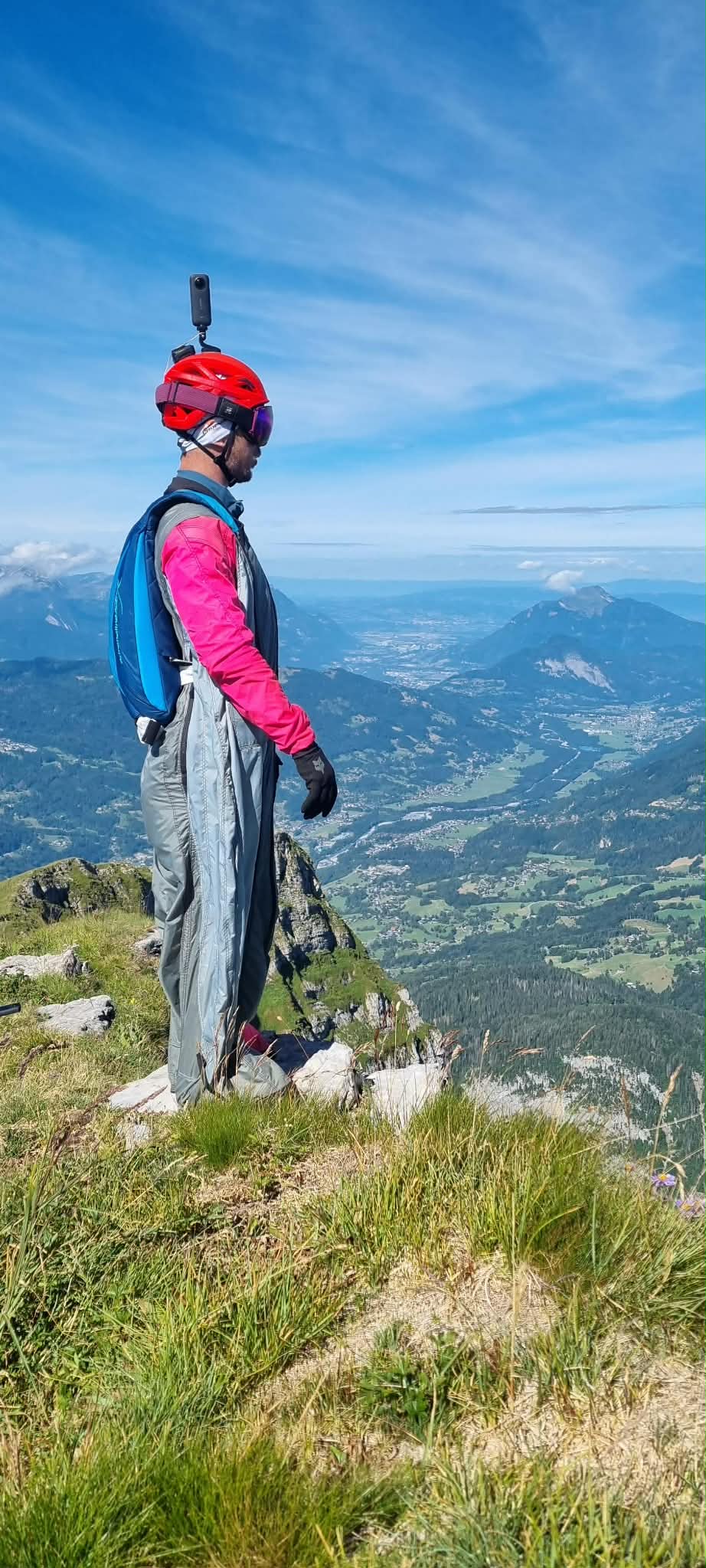
Tristan was a dedicated and meticulous person in everything he undertook. He had taken up BASE jumping with great seriousness, following the different stages of progression specific to the discipline. He regularly exchanged with experienced jumpers in order to continue improving and jumped on a regular basis. He was also involved and committed within his community.
Sequence of events
On the day of the accident, Tristan and two friends decided to go jumping at Le Criou. All three were very familiar with the site, and particularly Tristan, who had grown up in the village located at its base.
The approach conditions were wintery, but with little snow. The approach to this jump usually involves approximately 3 hours and 30 minutes of hiking, but on that day they decided to use a 4x4 vehicle for part of the ascent, reducing the hike to about 1 hour and 30 minutes. They reached the exit point in the early afternoon, at around 3:15 p.m. Weather and aerological conditions were considered good, with a very light southerly wind (approximately 5 km/h).
At the summit, a thin layer of snow was present. The group took the time to carefully clean the exit point. They were not in a hurry, conditions remained stable, and they waited for good light before jumping. They were neither physically nor mentally fatigued.
Tristan geared up and decided to jump first, at around 4:00 p.m.
According to the accounts of his two friends, the push-off at the exit was correct. However, they noticed a forward-arched torso and then observed Tristan quickly enter a scorpion position, with his feet passing above his head. As they were not fully positioned at the edge of the cliff, the witnesses were unable to observe the remainder of the jump. Tristan disappeared from their view behind a rocky bulge after approximately two seconds.
Approximately five to six seconds after the jump, they heard the canopy deploy. The canopy then emerged from the cliff in flight. It initially flew with its back to the rock face, then slowly performed a turn of approximately 180 degrees and headed back toward the cliff. There did not appear to be any control input on the canopy using the brake lines. The turn was slow and wide. The canopy struck the rock face and slid down along it to the base of the cliff.
At that moment, the witnesses were confident and believed Tristan was still alive. They alerted emergency services very quickly; however, it took approximately one hour for rescue teams to reach the site. The conclusions of the investigation indicated that Tristan had sustained severe head trauma and multiple injuries, likely occurring before he came under canopy. The available footage does not show any slip at the exit.
It is likely that Tristan deployed his pilot chute just before impact with the rock face, or immediately after an initial violent impact. Based on the situation observed under canopy, it is very likely that Tristan died as a result of this first impact with the cliff.
Can you help us with incident interpretation? We are interested in any details regarding personal experience, gear, weather conditions and any other circumstances related to the incident.